A Practical Guide to Vegan Bedding Materials: What to Choose and Why
Explore the most common vegan-friendly bedding materials, how they’re produced, and what to look for when shopping. This guide compares cotton, bamboo, linen, and wool options through a cruelty-free lens to help you build a healthier, more ethical sleep setup.
In the serene hush of a well-curated vegan bedroom, texture becomes a language. The right textiles whisper rather than shout, offering comfort without compromise. At veganbedroom.com, we celebrate materials that tread lightly on the planet while delivering lush sleep experiences. From organic cotton to bamboo blends, from linen’s breathable cool to wool’s natural temperature regulation, this guide unpacks the essentials you need to craft a sanctuary that aligns with vegan ethics and modern luxury.
To illuminate the conversation, we’ll meet three key figures from different eras who shaped how we think about material culture, design ethics, and sleep wellness. Each offers a voice on durable elegance, responsible sourcing, and the rituals of rest that inform today’s vegan bedding choices.
The Materials: A Vegans’ Textural Lexicon
When selecting vegan bedding, you’re choosing not only comfort but a philosophy of care—care for animals, care for people in supply chains, and care for the Earth. Here are the primary materials you’ll encounter, with a focus on vegan verification, ecological footprint, and everyday practicality.
- Organic Cotton: GOTS-certified organic cotton is the gold standard in vegan bedding. It is grown without synthetic pesticides and processed with attention to chemical safety. Organic cotton can offer a soft hand (percale or sateen) and excellent durability. Look for certifications such as GOTS and Oeko-Tex to ensure lower chemical use and transparent supply chains.
- Bamboo and Bamboo Blends: Bamboo viscose or lyocell blends can yield silky textures and strong moisture-wicking properties. Ensure the bamboo fabric is produced with responsible processing (lyocell-based methods are often more eco-friendly). Verify vegan credentials since some bamboo textiles can be processed with additives that require scrutiny.
- Linen: Flax linen is naturally breathable and gets softer with washing. Linen is often marketed as a sustainable option due to its low input requirements. For vegan sleepers, linen fabrics are typically plant-based and cruelty-free, offering a crisp yet comfortable surface that keeps you cool in warm seasons.
- Wool Alternatives: While wool is natural and breathable, some vegan shoppers seek wool-like textures via plant-based or synthetic fibers. When considering wool wool-free options, look for textiles that offer temperature regulation, moisture management, and hypoallergenic properties without animal-derived components.
The Ethical Lens: Certifications to Trust
Verifying claims matters as much as enjoying the softness. A well-made vegan bed sheet or duvet cover should come with credible certifications that confirm it’s free from animal-derived materials and harmful dyes. Key signals to watch for include:
- Keen attention to fiber origin and processing methods
- GOTS certification covering organic fiber cultivation and textile processing
- OEKO-TEX Standard 100 or similar low-toxicity standard for chemical safety
- Fair labor certifications or transparent supply chain information
In the modern vegan bedroom, transparency is the new luxury. Brands that openly share supply chain details, fiber origins, and care instructions earn the trust of ethically minded shoppers who demand both beauty and integrity in their sleep environment.
Texture, Weave, and Comfort
Texture is the lingua franca of bedding. The weave type—percale versus sateen—shapes how breathable a fabric feels against the skin, how it drapes, and how it ages. Percale offers a crisp, matte finish with a cooler touch, ideal for hot sleepers. Sateen provides a smoother, more luxurious surface with a gentle sheen, often staying warmer but still comfortable with proper care. For vegan lovers, the weave choice should align with climate, sleep preferences, and care routines. Our recommendations below blend ethical sourcing with tactile pleasure.
Texture and Care Starter Tips: Weave, Temperature, and Longevity
Choosing the right weave and fabric care can extend the life of vegan bedding and preserve its feel wash after wash. Here are practical tips for texture and care.
- For cotton, select fabrics with a balanced thread count (roughly 200–400). Higher thread counts aren’t always better; they can compromise breathability and wash durability for certain weaves.
- Percale is crisp and breathable; sateen feels soft and warm. If you’re a hot sleeper, lean toward percale for cooler nights or a blended weave with breathable fibers.
- Wool alternatives or wool blends can be thermoregulating without animal involvement. When using wool-rich bedding, pair with breathable underlayers to manage moisture.
- Care instructions matter: wash on gentle cycles with non-chlorine detergents, avoid high heat, and air-dry or tumble dry on low to protect fiber integrity.
Product Spotlight: A Concrete Example of Vegan Bed Craft
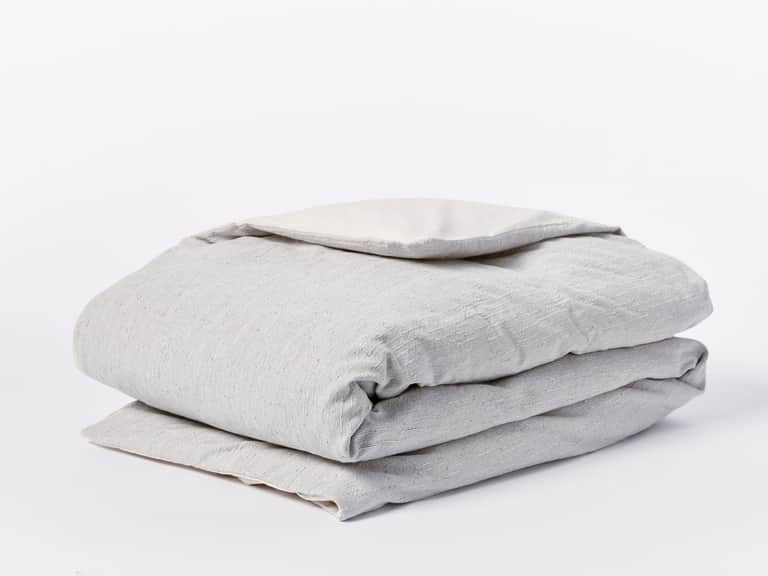
To illustrate how these principles translate into beautiful, live-ready spaces, consider a carefully chosen duvet cover set crafted from certified organic cotton. The Toro Canyon Organic Duvet Cover, for example, embodies a masterclass in vegan luxury: GOTS-certified organic cotton grown in India, woven in Portugal, and finished with coconut shell buttons and internal ties for a clean, durable look. Its plain weave percale underside ensures a breathable, cool touch against the skin, ideal for year-round comfort.
Not all vegan bedding needs to shout its ethics; it can whisper refinement. Below is a curated product that demonstrates the synergy of sustainability, comfort, and couture in one elegant package.

Toro Canyon Organic Duvet Cover
GOTS-certified organic cotton duvet cover with coconutshell buttons; breathable percale underside for cool comfort.
Origin: India (cotton) + Portugal (weave)
Care: Machine wash cold; tumble dry low; warm iron if needed
Price: $348.00
Note: Availability and exact colorways may vary by season. This example reflects a typical vegan bedding option that marries ethical sourcing with tactile luxury.
Three Key Figures Across Time
To ground our modern exploration in a broader cultural context, we highlight three influential individuals from different eras who shaped thought about materials, design ethics, and well-being. Their ideas illuminate how we arrived at today’s vegan bedding sensibilities.
- Virginia Woolf (1882–1941) — A champion of refined interiors and sensory clarity, Woolf’s lucid prose about spaces as sanctuaries informs our belief that a bedroom can be an ethical, contemplative refuge. Her writing invites us to consider how textiles frame mood, light, and quiet rituals that cultivate mental well-being.
- Ray Eames (1912–1988) — Co-creator of iconic furniture and a relentless advocate for human-centered design, Eames pushed for materials that were both durable and beautiful. Her ethos encourages selecting furniture and textiles that endure, while honoring craft, sustainability, and comfort—an invaluable lens for vegan-friendly bedroom environments.
- Ralph Lauren (1939–2021) — A fashion and lifestyle impresario whose brand identity celebrated elegant, timeless design. Lauren’s influence on color palettes, textures, and layering informs contemporary vegan bedrooms that aspire to luxury without excess, embracing natural fibers and responsible sourcing as signature traits.
Three Contemporary Voices Shaping Today’s Vegan Bedroom Aesthetic
In the present moment, new voices offer practical, science-backed guidance on sleep health, ethical sourcing, and interior craft. Consider:
- Asha Patel — A sleep wellness expert who emphasizes breathable materials and skin-friendly fabrics that support restorative rest. Her approach blends dermatology with textile science, guiding consumers toward vegan bedding that respects sensitive skin and environmental health.
- Marco Rivera — An advocate for transparent supply chains in interior design, Rivera champions brands that publish fiber origins, processing methods, and labor practices. His work helps shoppers demand verifiable vegan credentials and humane production.
- Dr. Elena Rossi — A textile ecologist who studies the life cycle of fabrics—from cultivation to disposal. Rossi’s research informs sustainable choices that minimize water use, chemical exposure, and waste, reinforcing the ethics at the heart of vegan bedrooms.
Creating Your Vegan Bedroom: A Practical Roadmap
With the frameworks above in mind, here is a pragmatic blueprint to assemble a vegan bedroom sanctuary that feels luxurious, effortless, and ethically sound.
- Define your ethics and needs: Decide which vegan principles matter most—organic cultivation, cruelty-free processing, fair labor, or low-impact dyes—and align product searches with those priorities.
- Choose foundational textiles: Start with bedding (duvet covers, sheets, pillowcases) in organic cotton or linen. Evaluate weave (percale vs sateen) for climate and tactile preference. For warmth and balance, consider wool blends or plant-based fillings that suit your sleep profile.
- vet certifications and labels: Prioritize GOTS, Oeko-Tex, and transparent supply-chain documentation. Avoid products without verifiable ethical claims to minimize risk of greenwashing.
- Pair with non-toxic furnishings: Select bed frames, dressers, and textiles that avoid animal-derived materials and unnecessary synthetics. The Contemporary Craftsman Low Footboard Bed offers solid wood craftsmanship with a vegan-friendly finish, illustrating how design and ethics converge in furniture.
- Care and maintenance: Establish washing routines that preserve fabric integrity while remaining gentle on the environment. Use eco-friendly detergents and avoid high heat to extend life and reduce micro-pollutants in the wash.
As you assemble your vegan bedroom, you’ll notice a recurring impulse: to curate a space that breathes with nature, respects animal life, and elevates daily rituals into rituals of care. The textiles you choose are not simply coverings; they’re a soft spine for your sleep, a tactile reminder of your ethics, and a quiet luxury you can feel good about every night.
A Note on Availability and Sourcing
At veganbedroom.com, we recognize that the best vegan bedding is more than a label—it’s a commitment to consistent standards across materials, processing, and labor. When you encounter product recommendations here, you’ll see a blend of certified pieces that meet strict vegan and sustainability criteria, paired with practical shopping tips to help you identify the right fit for your space and climate.
For curated examples, consider the Naturepedic duvet covers and the Toro Canyon duvet cover, which demonstrate how organic cotton, careful weaving, and thoughtful closures can translate into luxurious, cruelty-free sleep environments.
A Visual Reference: Product Spotlight
Contemporary Craftsman Low Footboard Bed offers a modern, solid-wood centerpiece in a vegan bedroom. Finished with an eco-friendly oil in natural Cherry, Maple, or Walnut, it pairs timeless craftsmanship with ethical sensibilities. This bed anchors the room with a refined silhouette and a durability that commands long-term admiration.
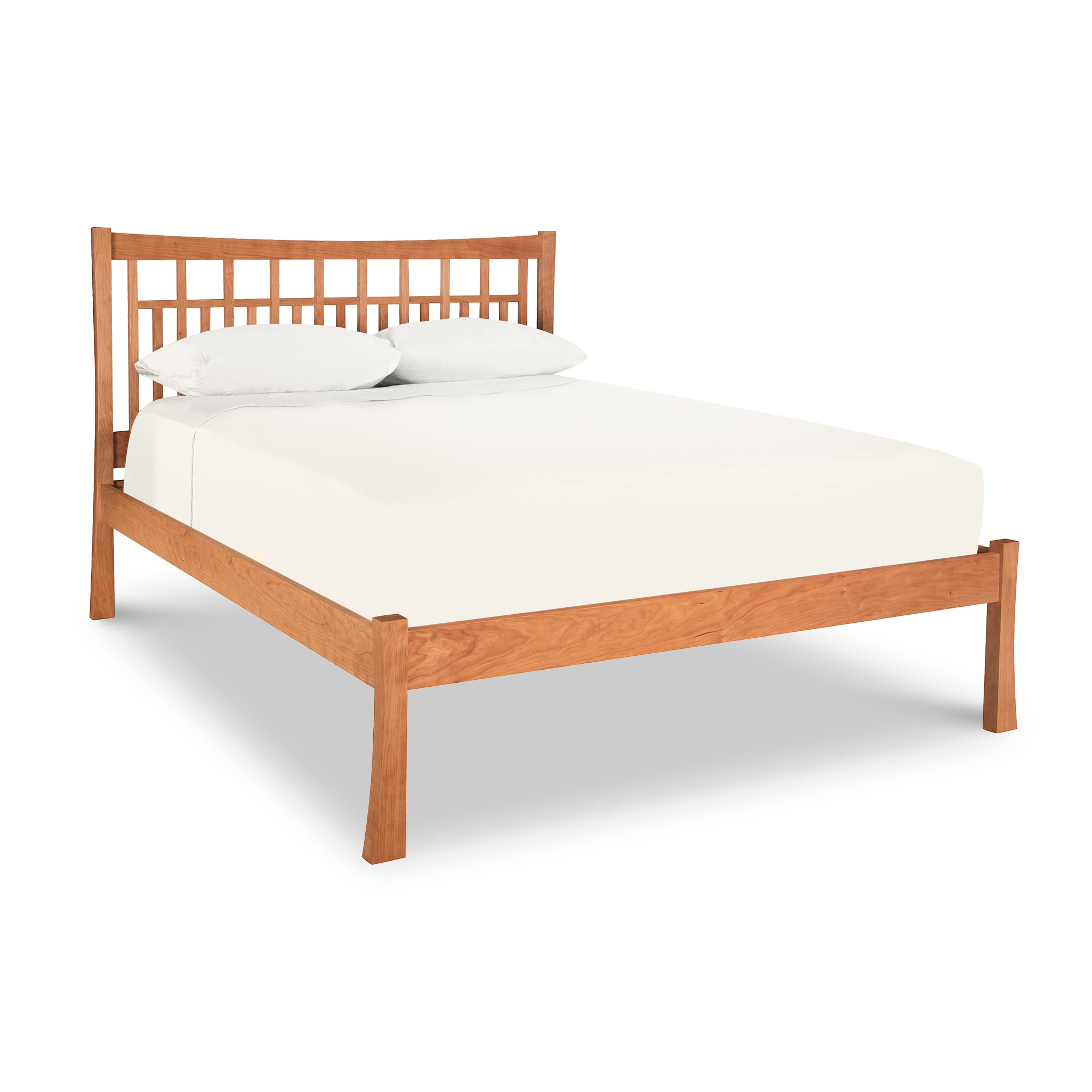
Contemporary Craftsman Low Footboard Bed — Vermont Furniture Designs. A modern heirloom that harmonizes natural wood tones with cruelty-free finishes.
This Vogue-inspired guide embraces elegance, ethics, and practical warmth. Elevate your nights with textiles that honor life, craft, and climate.
Explore more vegan bedding resources